

As a supplier of screw foundation anchors, I've witnessed firsthand the growing demand for reliable foundation solutions, especially in high - wind areas. In this blog, I'll delve into how screw foundation anchors perform in such challenging environments.
Understanding Screw Foundation Anchors
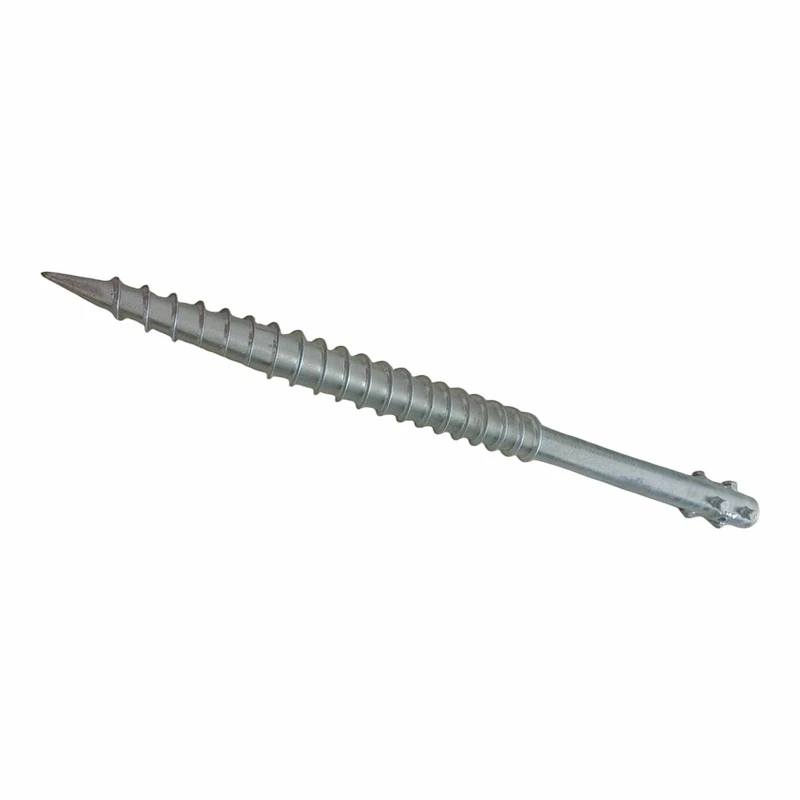
Screw foundation anchors, also known as ground screws, are a type of foundation system that consists of a helical screw plate attached to a central shaft. These anchors are screwed into the ground, providing a stable base for various structures. They have gained popularity due to their ease of installation, minimal site disruption, and ability to be removed or re - used if necessary.
Performance in High - Wind Areas
1. Load - Bearing Capacity
One of the key factors in determining how well screw foundation anchors perform in high - wind areas is their load - bearing capacity. High winds generate significant lateral and uplift forces on structures. Screw foundation anchors are designed to resist these forces effectively. The helical plates on the anchors increase the surface area in contact with the soil, which helps to distribute the load and prevent the anchor from being pulled out of the ground.
The load - bearing capacity of a screw foundation anchor depends on several factors, including the soil type, the diameter and pitch of the helical plates, and the depth of installation. In high - wind areas, it is crucial to select an anchor with an appropriate load - bearing capacity based on the expected wind loads. For example, in areas prone to hurricanes or strong gales, larger - diameter helical plates and deeper installations may be required.
2. Stability
Stability is another critical aspect of screw foundation anchor performance in high - wind areas. The design of the anchor allows it to penetrate the soil and create a stable connection between the structure and the ground. Unlike traditional concrete foundations, screw foundation anchors can be installed quickly and with minimal disturbance to the surrounding soil. This means that the soil's natural strength and stability are better preserved, which is especially important in high - wind situations.
The helical shape of the plates also provides additional stability. As the wind exerts lateral forces on the structure, the helical plates act like fins, resisting the movement and preventing the anchor from tilting or shifting. This helps to keep the structure upright and secure during high - wind events.
3. Resistance to Uplift
Uplift forces are a major concern in high - wind areas. When strong winds blow over a structure, they can create a low - pressure area above the structure, causing it to be lifted off the ground. Screw foundation anchors are designed to resist these uplift forces. The helical plates grip the soil tightly, providing a strong anchor point that prevents the structure from being lifted.
The depth of the anchor installation is also important in resisting uplift. By screwing the anchor deeper into the ground, the anchor can access more stable soil layers, which increases its resistance to uplift forces. In addition, multiple anchors can be used in combination to further enhance the uplift resistance of the structure.

Applications in High - Wind Areas
1. Residential Buildings
In high - wind areas, screw foundation anchors can be used for residential buildings. They provide a reliable foundation solution that can withstand the strong winds associated with storms and hurricanes. For example, in coastal regions where high - wind events are common, screw foundation anchors can be used to support single - family homes, townhouses, and other residential structures.
Installing these anchors is relatively quick and easy, which means that construction projects can be completed more efficiently. Additionally, the ability to remove or re - use the anchors makes them a cost - effective and sustainable option for homeowners. To learn more about the installation process, you can visit Installing Ground Screw Anchors.
2. Sheds and Outbuildings
Sheds and outbuildings are also vulnerable to high - wind damage. Screw foundation anchors can be used to provide a stable foundation for these structures. Ground Screws for Sheds offer a simple and effective solution that can prevent sheds from being blown over or damaged during high - wind events. The anchors can be installed quickly, and they do not require the time - consuming and messy process of pouring concrete.
3. Fence Posts
Fences are often exposed to high winds, and traditional fence post foundations may not be sufficient to withstand these forces. Screw foundation anchors can be used for fence posts, providing a strong and stable base. Ground Screws for Fence Posts are easy to install and can be adjusted to different heights, making them suitable for a variety of fence designs.
Factors Affecting Performance
1. Soil Conditions
The soil conditions in high - wind areas can have a significant impact on the performance of screw foundation anchors. Different soil types, such as clay, sand, and gravel, have different properties that affect the anchor's load - bearing capacity and stability. For example, clay soils tend to be more cohesive, which can provide better resistance to uplift forces. However, they may also be more prone to swelling and shrinking, which can affect the long - term performance of the anchor.
Sand and gravel soils, on the other hand, are less cohesive but offer better drainage. This can be beneficial in high - wind areas where water accumulation can weaken the foundation. Before installing screw foundation anchors, it is important to conduct a soil test to determine the soil type and its properties. This will help to select the appropriate anchor design and installation method.
2. Installation Quality
The quality of the installation also plays a crucial role in the performance of screw foundation anchors in high - wind areas. Improper installation can lead to reduced load - bearing capacity, instability, and even failure of the anchor. It is essential to follow the manufacturer's installation instructions carefully and use the appropriate equipment.
The installation process typically involves using a hydraulic or mechanical screwdriver to drive the anchor into the ground. The anchor should be installed vertically and to the correct depth. After installation, it is important to check the anchor's alignment and stability to ensure that it is properly installed.
Conclusion
Screw foundation anchors offer a reliable and effective solution for structures in high - wind areas. Their ability to resist lateral and uplift forces, combined with their ease of installation and minimal site disruption, make them an attractive option for a variety of applications. However, it is important to consider factors such as soil conditions and installation quality to ensure optimal performance.
If you are in the market for screw foundation anchors for your project in a high - wind area, I encourage you to reach out to discuss your specific needs. Our team of experts can provide you with the right advice and solutions to ensure the stability and safety of your structure.
References
- "Design and Installation of Helical Piles and Anchors" by the Deep Foundations Institute.
- "Soil Mechanics and Foundation Engineering" by B. M. Das.